

Digital Wild West: Understanding the Threat of Brazilian Cybercriminals
- echoudhury77

- Aug 14, 2025
- 3 min read

Brazil is a beautiful country known for its vibrant culture, stunning landscapes, and dynamic economy. However, it has also earned a less desirable reputation as a major hub for cybercrime. Brazilian cybercriminals are highly active and have developed sophisticated tactics to defraud individuals and businesses both domestically and internationally.
The Rise of Brazilian Cybercrime
The rise of cybercrime in Brazil can be attributed to several factors. The country has a large, tech-savvy population with a high rate of internet and online banking usage. This, combined with a developing cybersecurity infrastructure and a legal system that has struggled to keep pace, has created a fertile ground for malicious activity.
Brazilian cybercriminals, often operating in organized groups, have moved from traditional crimes to the digital space because it's cheaper, less dangerous, and carries shorter jail sentences if they are caught. They are known for their creativity and ability to adapt to new technologies and security measures.
Common Tactics and Threats
Brazilian cybercriminals are notorious for their use of highly localized and effective schemes. Some of their most common tactics include:
Banking Trojans: This is perhaps the most well-known threat from Brazilian cybercriminals. They create malware, often disguised as legitimate software or documents, that targets online banking platforms. These Trojans can steal login credentials, alter transactions, and bypass security features, leading to significant financial losses.
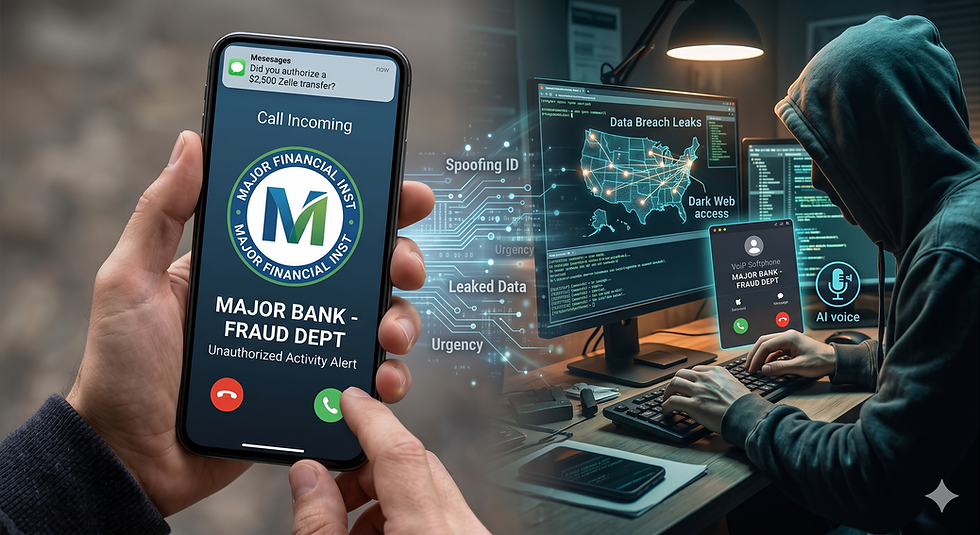
Phishing and Social Engineering: Brazilian criminals are masters of social engineering. They craft convincing phishing campaigns that mimic popular local brands, government agencies, or even personal contacts on platforms like WhatsApp. They use stolen personal data to make their scams eerily convincing, tricking victims into revealing sensitive information like bank account details and CPF (a Brazilian individual taxpayer ID).
Fraudulent Loan and Account Schemes: Scammers create fake websites and social media ads for enticing loan offers or investment opportunities. They often use legitimate chatbot platforms to create a seemingly trustworthy interface, where a "customer representative" guides the victim through a process that ultimately leads to them providing sensitive financial information or making fraudulent payments.
Card Skimming and ATM Fraud: While a more "physical" form of cybercrime, Brazilian criminals have also been adept at using technology to compromise ATMs and point-of-sale systems. They use card skimmers and other devices to clone credit and debit cards, stealing a victim's financial information directly.
The Global Reach
While many of these attacks are targeted at Brazilian citizens and businesses, the tactics and malware developed in Brazil have a global reach. Brazilian cybercrime groups are known to collaborate with other criminal networks, and their malware has been adapted for use in other countries. The sophistication of their attacks means that anyone who uses the internet, regardless of their location, could be a potential target.
How to Protect Yourself
Protecting yourself from these threats requires a multi-layered approach.
Be a Skeptical User: Never click on suspicious links, download attachments from unknown sources, or provide personal information in response to unsolicited emails, messages, or pop-ups. Always verify the authenticity of a website or communication before engaging with it.
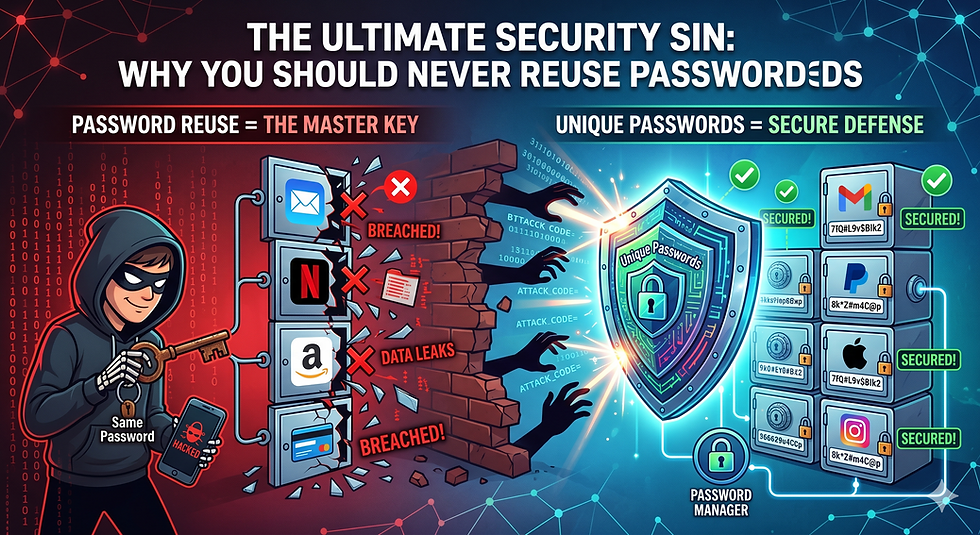
Use Strong, Unique Passwords and MFA: Use a password manager to create and store unique, complex passwords for all of your accounts. Enable multi-factor authentication (MFA) wherever possible, as it adds a crucial extra layer of security.
Keep Your Software Updated: Regularly update your operating system, web browser, and all other software. These updates often include patches for security vulnerabilities that criminals could exploit.
Invest in Cybersecurity: For businesses, this means allocating resources to robust security measures like firewalls, antivirus software, and encryption. For individuals, this means using reputable security software and being mindful of your digital footprint.
Stay Informed: The cybercrime landscape is constantly evolving. Staying informed about the latest threats and tactics is a key part of personal and corporate cybersecurity.
Brazilian cybercriminals present a significant and evolving threat. By understanding their methods and taking proactive steps to secure our digital lives, we can better protect ourselves from becoming their next victim.

Comments