

Protecting Payments: Understanding PCI Compliance and the "Digital Dozen"
- echoudhury77

- Jun 27, 2025
- 3 min read

Credit card transactions are the lifeblood of countless businesses. But with every swipe, tap, or online purchase, there's a critical need for robust security. This is where PCI Compliance comes in – a set of standards designed to protect sensitive cardholder data from the ever-present threat of cybercriminals.
You might have heard the term, but what exactly is PCI compliance, and how does it relate to the "Digital Dozen"? Let's break it down.
What is PCI Compliance (PCI DSS)?
PCI DSS, or the Payment Card Industry Data Security Standard, is a comprehensive set of security requirements developed by the Payment Card Industry Security Standards Council (PCI SSC). This council was established by the major credit card brands (Visa, Mastercard, American Express, Discover, and JCB International) to create a unified framework for protecting cardholder data.
Essentially, any organization that accepts, processes, stores, or transmits credit card data must be PCI DSS compliant. This isn't just a suggestion; it's a contractual obligation enforced by the card brands. Failure to comply can result in hefty fines, damage to your reputation, and even the loss of your ability to process credit card payments.
The PCI DSS is built around 12 core requirements that fall into six overarching goals:
Build and Maintain a Secure Network and Systems: Protecting your network perimeter and internal systems.
Protect Cardholder Data: Ensuring the security of stored data.
Maintain a Vulnerability Management Program: Proactively identifying and addressing security weaknesses.
Implement Strong Access Control Measures: Limiting access to sensitive data to only those who need it.
Regularly Monitor and Test Networks: Keeping an eye on activity and proactively searching for vulnerabilities.
Maintain an Information Security Policy: Establishing clear guidelines and responsibilities for security.
The "Digital Dozen": Your Roadmap to PCI Compliance
While the PCI DSS outlines 12 requirements, some refer to these collectively as the "Digital Dozen." This isn't a separate standard, but rather a more memorable way to refer to the core objectives you need to meet. Let's briefly look at each of these "Digital Dozen" requirements:
Install and Maintain a Firewall Configuration: Think of a firewall as your network's security guard, controlling traffic in and out to prevent unauthorized access.
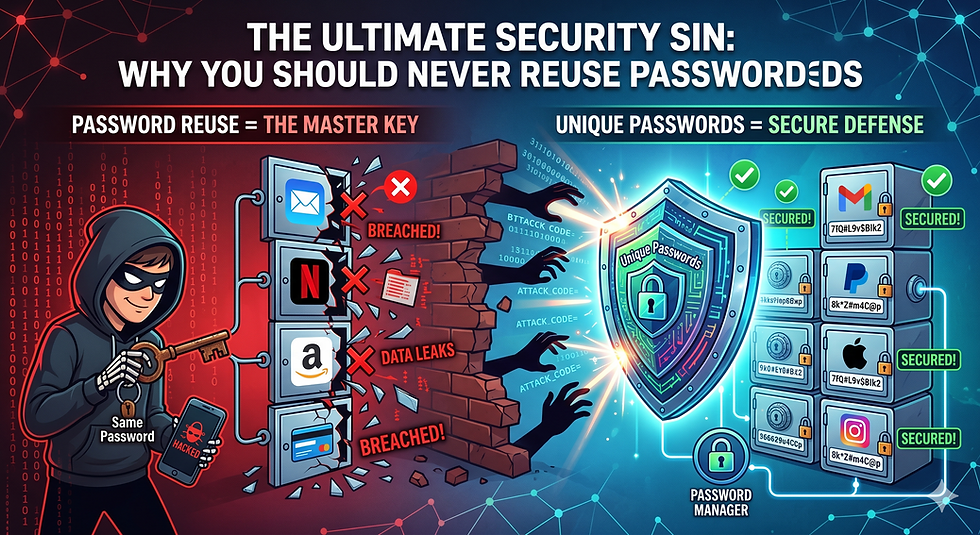
Do Not Use Vendor-Supplied Defaults for System Passwords and Other Security Parameters: Default passwords are a hacker's dream. Always change them and implement strong, unique credentials.
Protect Stored Cardholder Data: If you must store cardholder data, it needs to be highly protected through encryption, masking, and strict access controls. Ideally, minimize storage altogether.
Encrypt Transmission of Cardholder Data Across Open, Public Networks: When data travels over the internet, it's vulnerable. Encryption makes it unreadable to unauthorized parties.
Use and Regularly Update Anti-Virus Software or Programs: Protect against malware, viruses, and other malicious software that can compromise your systems.
Develop and Maintain Secure Systems and Applications: This involves regularly patching software, using secure coding practices, and addressing vulnerabilities in your systems and applications.
Restrict Access to Cardholder Data by Business Need-to-Know: Only individuals with a legitimate business reason should have access to sensitive cardholder data.
Assign a Unique ID to Each Person with Computer Access: Individual accountability is key. Each user should have their own unique credentials, eliminating shared accounts.
Restrict Physical Access to Cardholder Data: This covers physical security of data centers, servers, and any location where cardholder data is stored or processed.
Track and Monitor All Access to Network Resources and Cardholder Data: Comprehensive logging and monitoring are essential for detecting and investigating suspicious activity.
Regularly Test Security Systems and Processes: Security is an ongoing effort. Regular vulnerability scans and penetration testing help identify weaknesses before attackers do.
Maintain a Policy that Addresses Information Security for All Personnel: A well-defined security policy, communicated and understood by all employees, is the foundation of a strong security posture.
Why Does it Matter?
Adhering to the PCI DSS and its "Digital Dozen" is not just about avoiding fines; it's about building trust with your customers and safeguarding your business. A data breach can lead to severe financial losses, reputational damage, and a significant loss of customer confidence.
By diligently implementing these security measures, you not only comply with industry standards but also create a more secure environment for your customers' sensitive financial information, fostering a safer digital ecosystem for everyone.
Staying compliant is an ongoing process, not a one-time event. As cyber threats evolve, so too do the PCI DSS requirements. Regular assessments, continuous monitoring, and a strong commitment to security best practices are essential for any business handling payment card data.

Comments